Journal
The Found Poster Journal
Deep dives on single Belle Époque posters, surveys of the makers who built poster art, short histories of Art Nouveau and the cabaret era, and practical notes on printing and framing the work for a real room.
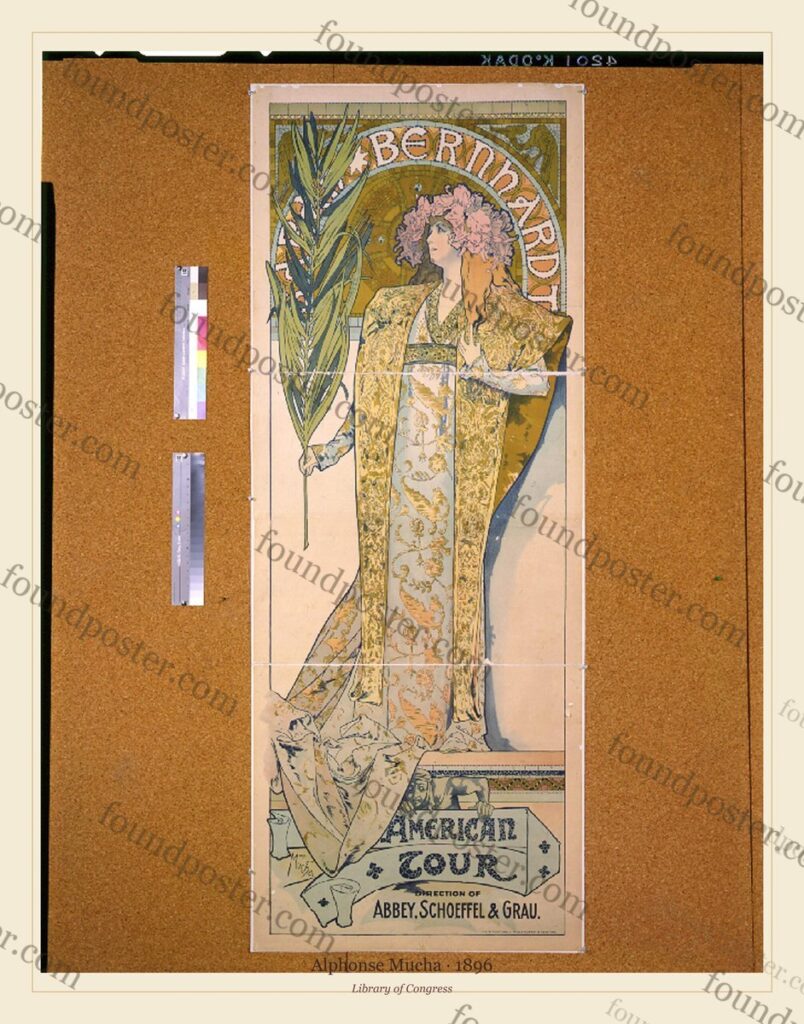
Deep dive: Sarah Bernhardt: American Tour (1896)
Mucha’s 1896 poster for Sarah Bernhardt’s American tour carried ‘le style Mucha’ across the Atlantic — the haloed figure, flowing line and pale luminous colour that had made him fa
Read →
Grouping posters by theme on one wall
A wall of posters looks intentional when the pieces share a thread — one artist, one subject, one place, one palette, or one era. A theme turns a collection of images into a statem
Read →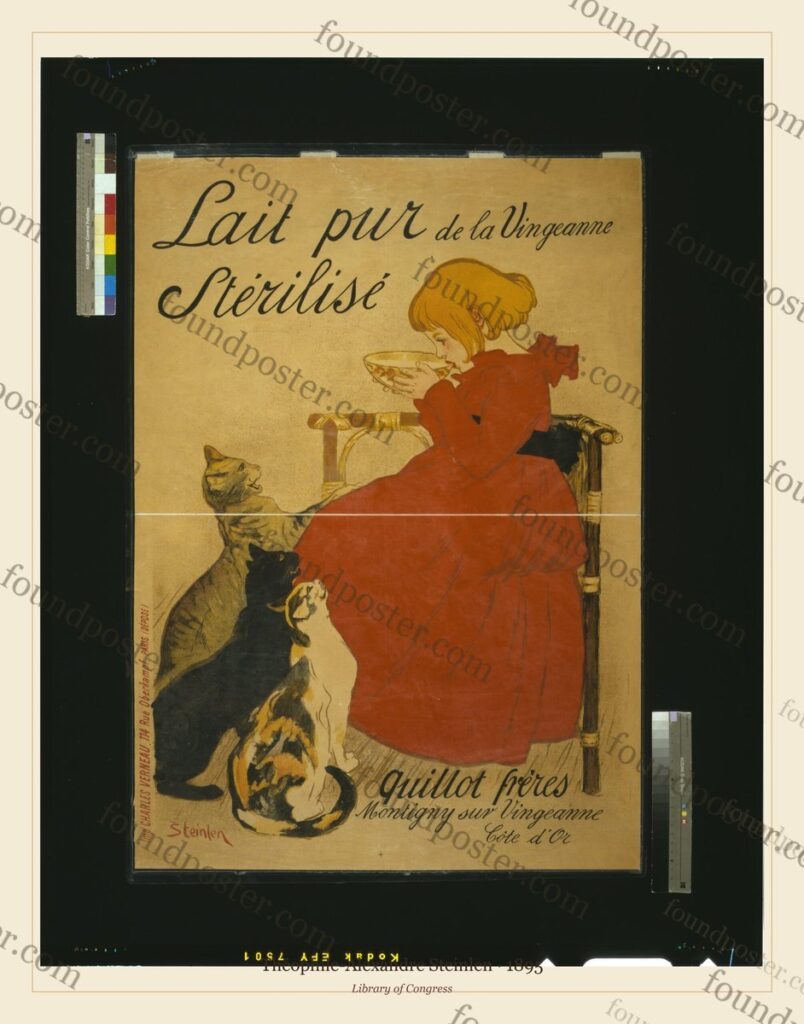
Deep dive: Lait Pur Stérilisé de la Vingeanne (1895)
Steinlen’s 1895 poster for Lait pur Stérilisé de la Vingeanne — a small girl drinking milk while three cats wait eagerly at her feet — is one of the most beloved images in all of p
Read →
A guide to standard poster sizes
The practical sizes to know are the ones with off-the-shelf frames: 11×14, 16×20, 18×24 and 24×36 inches (and A-sizes A3, A2, A1 in metric countries). Original Belle Époque posters
Read →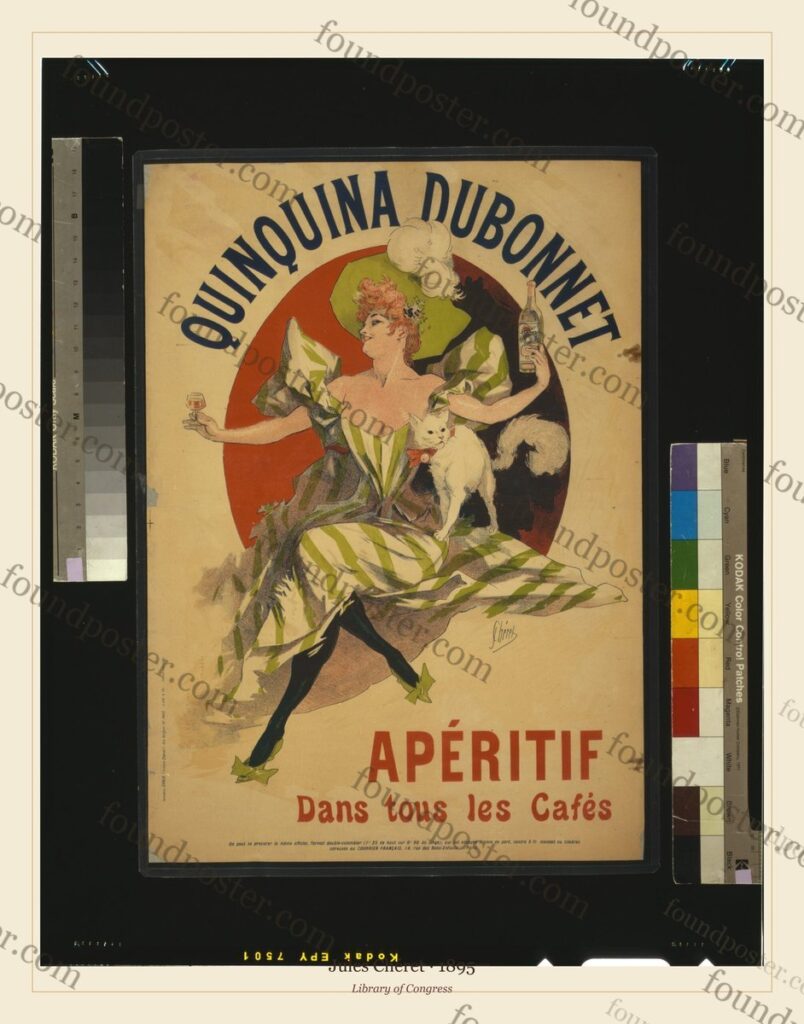
Deep dive: Quinquina Dubonnet (1895)
Jules Chéret’s 1895 poster for Quinquina Dubonnet is the father of the poster selling the apéritif that would become a French icon. All of Chéret’s gifts are here — the joyful figu
Read →
How to light framed posters
Framed posters look their best under even, warm, glare-free light aimed to wash the wall rather than bounce off the glass. The practical tools are picture lights, adjustable track
Read →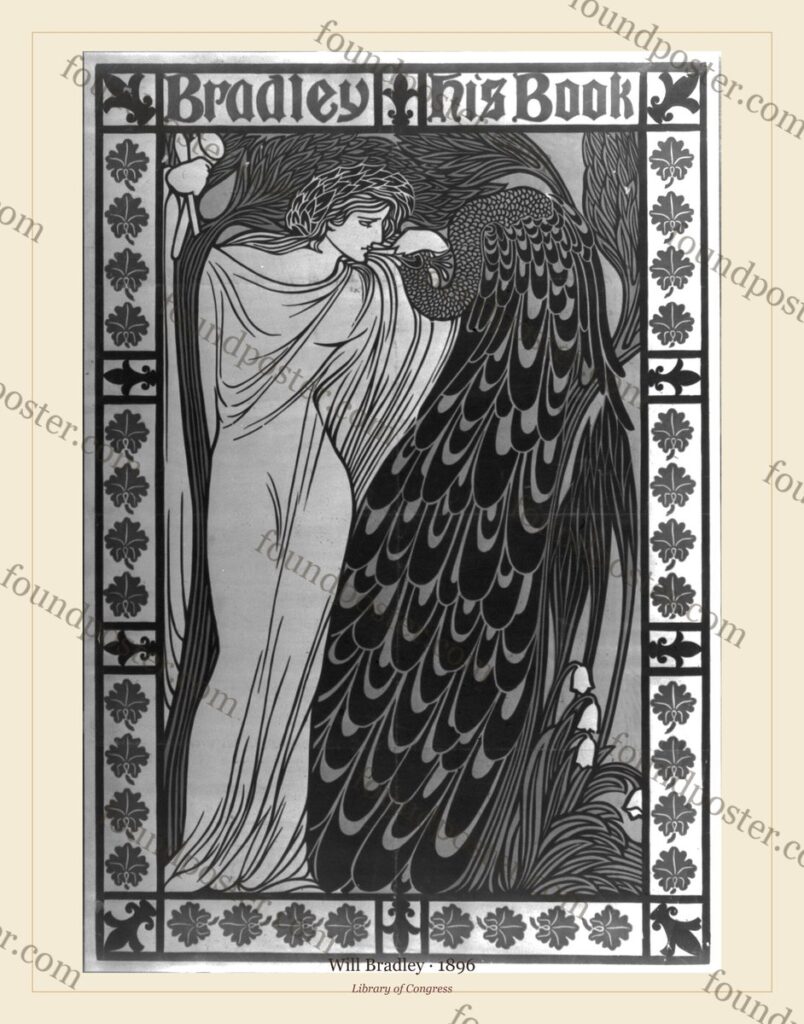
Deep dive: Bradley: His Book (1896)
Bradley: His Book (1896) was Will Bradley’s own magazine — written, designed, illustrated and printed by him at his Wayside Press. Its covers are among the purest expressions of Am
Read →
Poster file formats explained
The file details that matter for printing a poster are simple once explained: resolution (aim for ~300 DPI at your print size), format (a high-quality JPEG or a print-ready PDF bot
Read →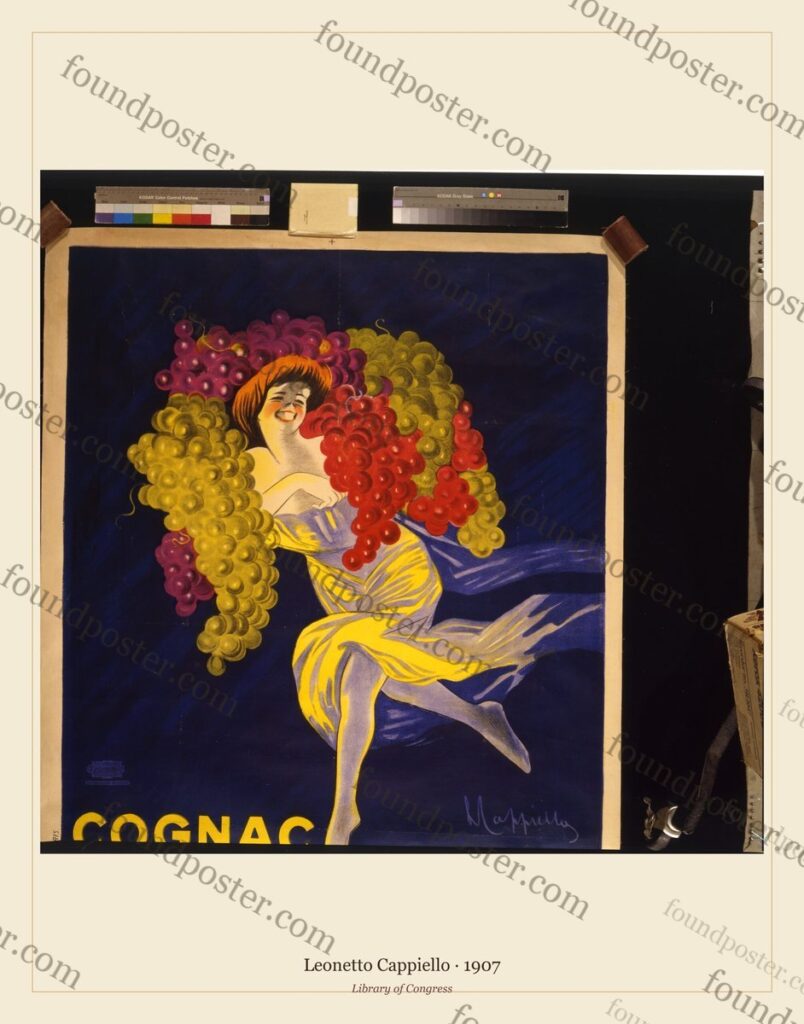
Deep dive: Cognac Gautier Frères (1907)
Leonetto Cappiello’s 1907 poster for Cognac Gautier Frères is the mature master at work — the figure-on-dark method he pioneered in 1900, now applied with total confidence to a spi
Read →
Archival prints vs cheap reproductions
An archival print and a cheap mass-market poster of the same image are not the same object. The archival version uses stable pigment inks on acid-free paper and holds its colour fo
Read →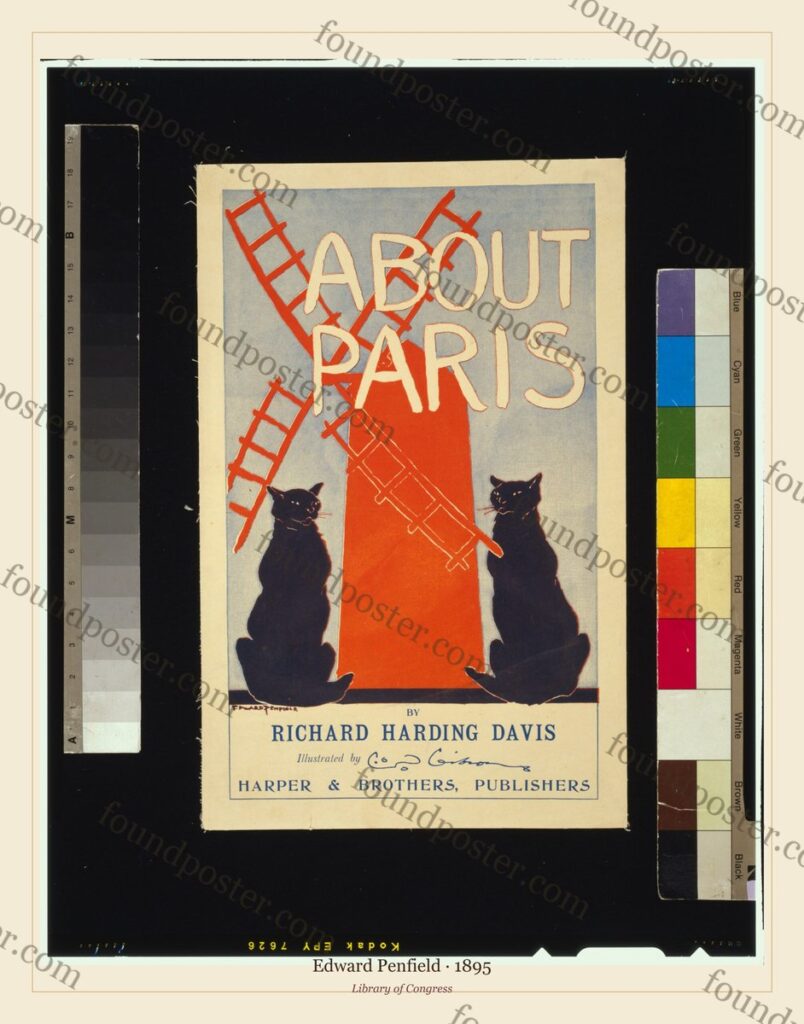
Deep dive: About Paris (1895)
Edward Penfield’s 1895 poster for the book About Paris shows the other half of his output — the book poster, alongside the Harper’s magazine covers that made his name. Made to adve
Read →
Where to print posters: local shop vs online
You can have a poster printed at a local print shop, a local framer, or an online fine-art printing service — each works, with different trade-offs. The decision that matters is no
Read →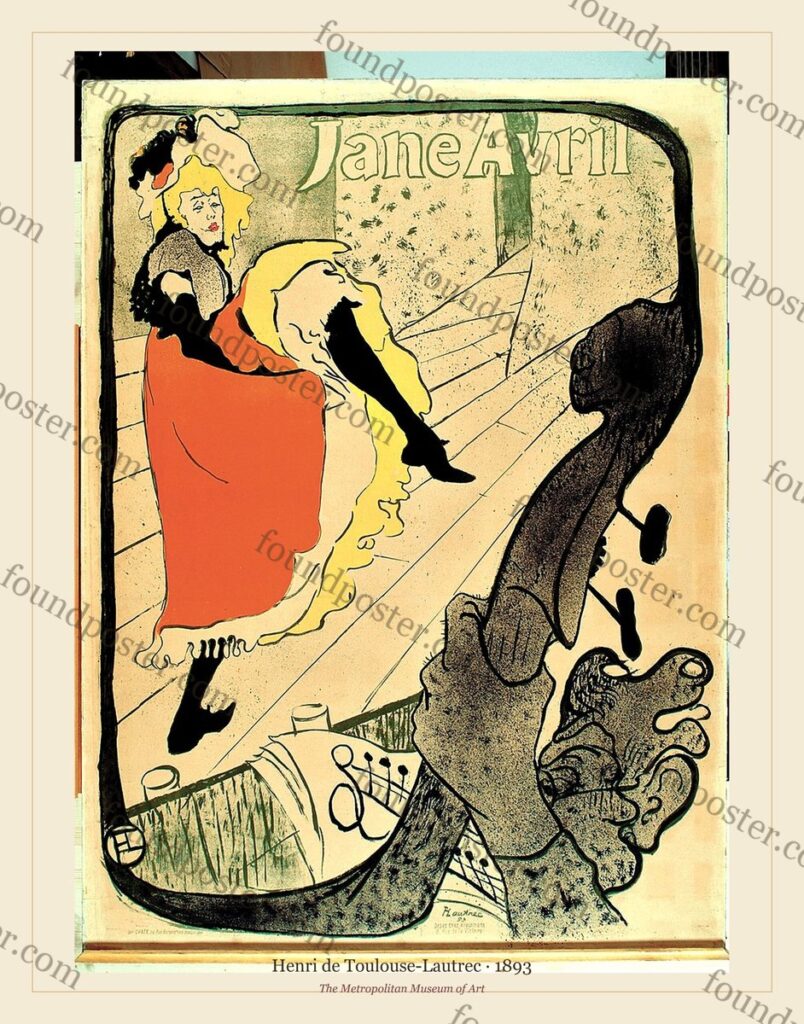
Deep dive: Jane Avril (1893)
Toulouse-Lautrec’s 1893 poster of Jane Avril is the counterpart to his Moulin Rouge: where La Goulue was raw energy, Jane Avril is nervous elegance. Avril was Lautrec’s friend and
Read →
Matching poster color to your interior
The simplest way to make a poster look built-in rather than added-on is to pull one or two colours from the artwork and echo them in the room — a cushion, a wall, a bar stool. Work
Read →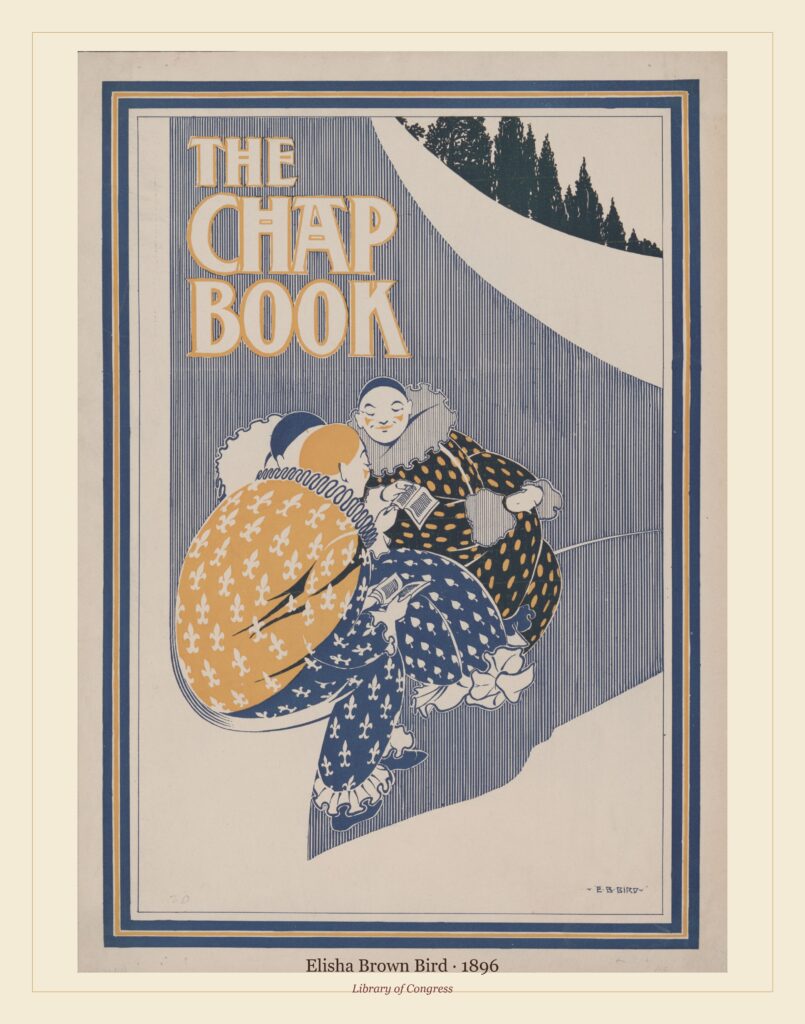
Deep dive: The Chap-Book. no. 11 (1896)
Elisha Brown Bird’s poster for The Chap-Book (1896) is a fine example of the American ‘little magazine’ poster at its decorative peak. Architecturally trained and steeped in the or
Read →
Matting, borders and margins explained
A mat — the card border between a print and its frame — does more than fill space: it gives the image room to breathe, protects the paper, and makes a modest print look considered.
Read →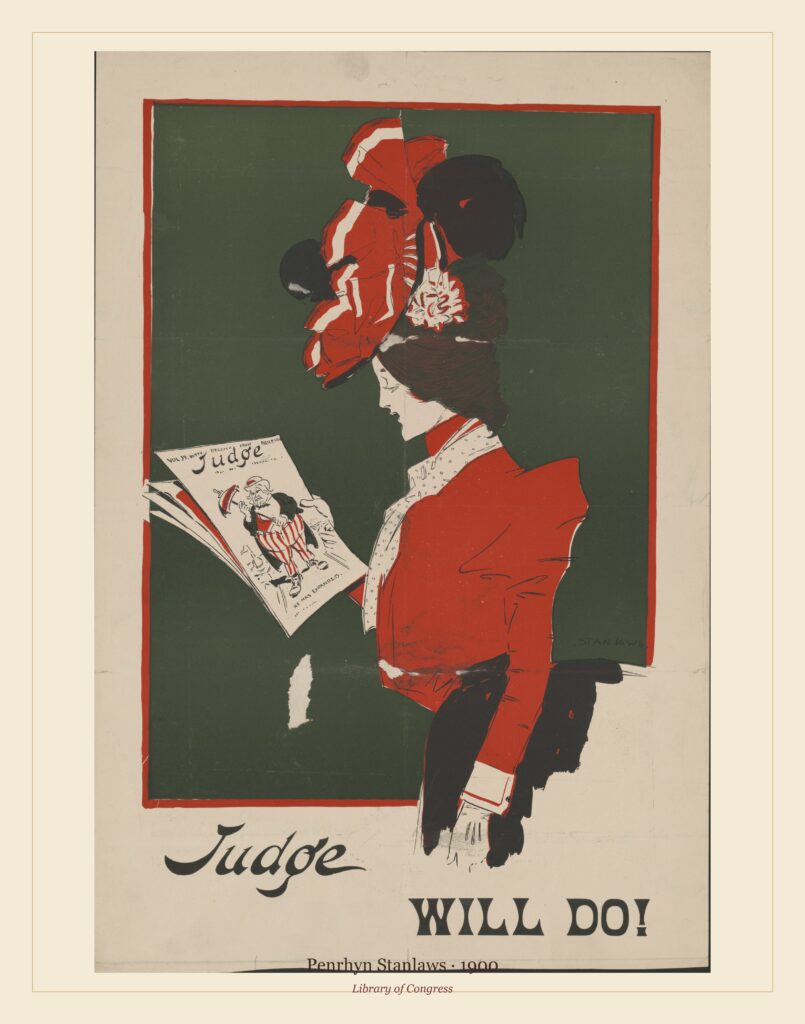
Deep dive: Judge, will do! (1900)
Penrhyn Stanlaws’ cover for Judge, the American humour magazine, comes from a Scottish-born illustrator who became one of the best-known creators of the American ‘magazine girl’ —
Read →
How to hang a gallery wall of posters
A gallery wall of posters works when it reads as one composition, not a scatter of frames. The reliable method is to treat the group as a single rectangle: lay it out on the floor
Read →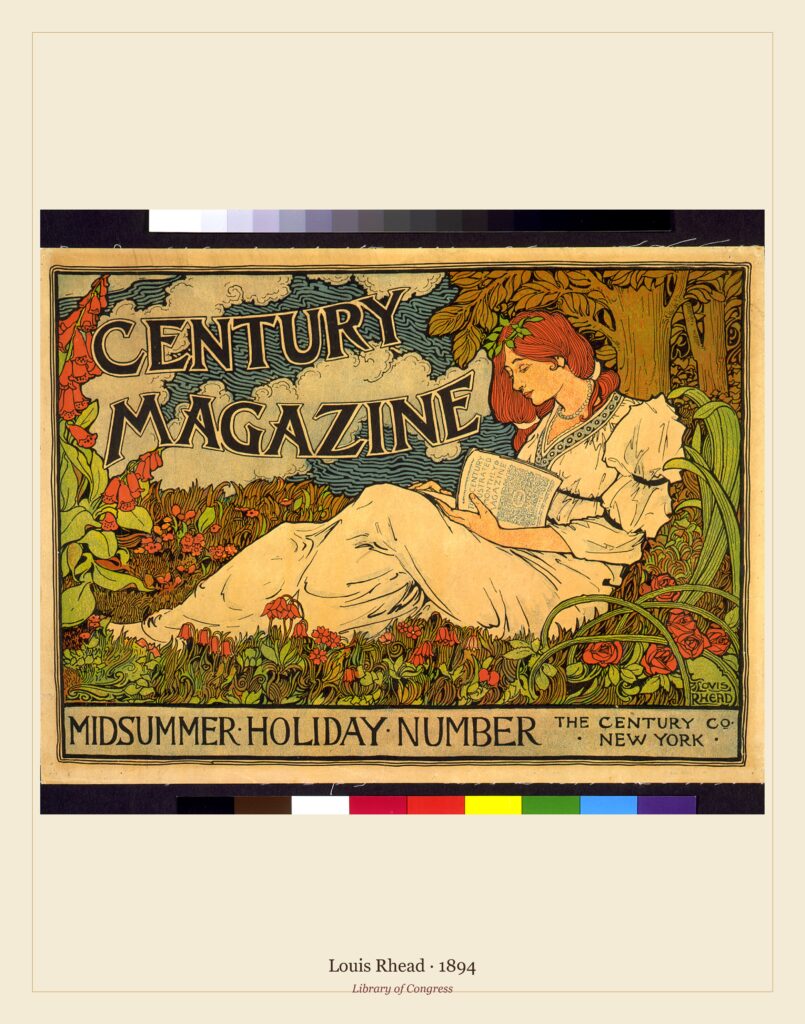
Deep dive: Century Magazine – Midsummer Holiday Number (1894)
Louis Rhead’s poster for the Century Magazine’s 1894 Midsummer Holiday Number is a high point of the American magazine poster — flat decorative colour and strong outline in the man
Read →
Posters for a yoga or pilates studio
For a yoga or pilates studio, the quiet end of Art Nouveau is the natural fit: Mucha’s flowing, graceful figures and the softer decorative posters of the Belle Époque, whose calm l
Read →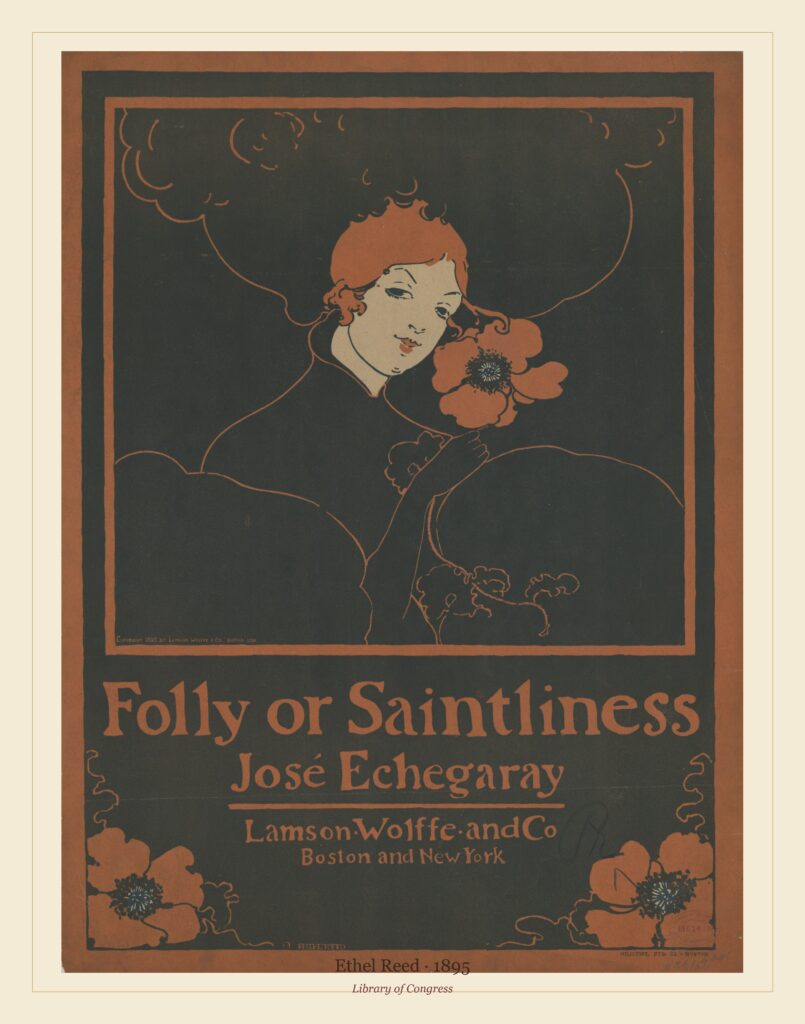
Deep dive: Folly or saintliness (1895)
Ethel Reed’s 1895 poster Folly or Saintliness is the work of the first American woman to win real fame as a poster artist — and one of the era’s most intriguing lost figures. A Bos
Read →
Posters for a hair salon
The natural wall art for a hair salon is Art Nouveau — above all Alphonse Mucha, whose flowing-haired women are the direct ancestors of modern beauty imagery. A salon is one of the
Read →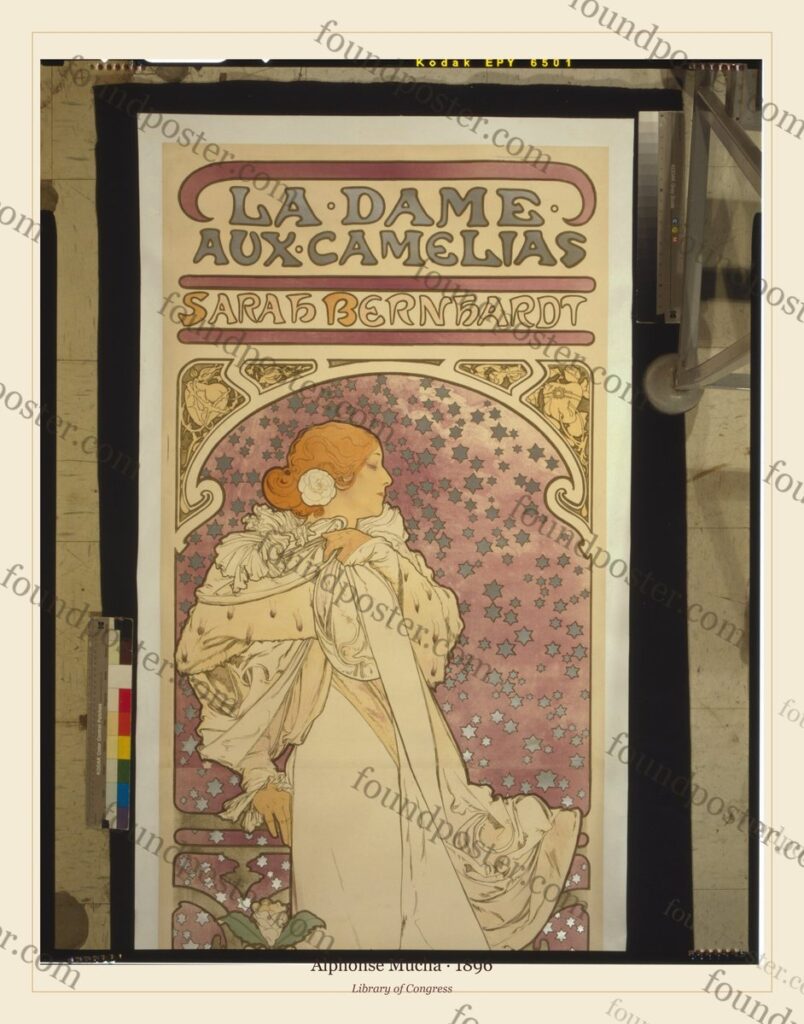
Deep dive: La Dame aux Camélias (1896)
Alphonse Mucha’s 1896 poster for La Dame aux Camélias, made for Sarah Bernhardt, is pure ‘style Mucha’ — a tall, quiet panel of a woman haloed in stars and flowers, drawn in the fl
Read →
Posters for a French bistro
A French bistro’s natural wall art is the poster art of its own culture: the café and cabaret scenes of Steinlen and Toulouse-Lautrec, the apéritif advertisements of Chéret and Cap
Read →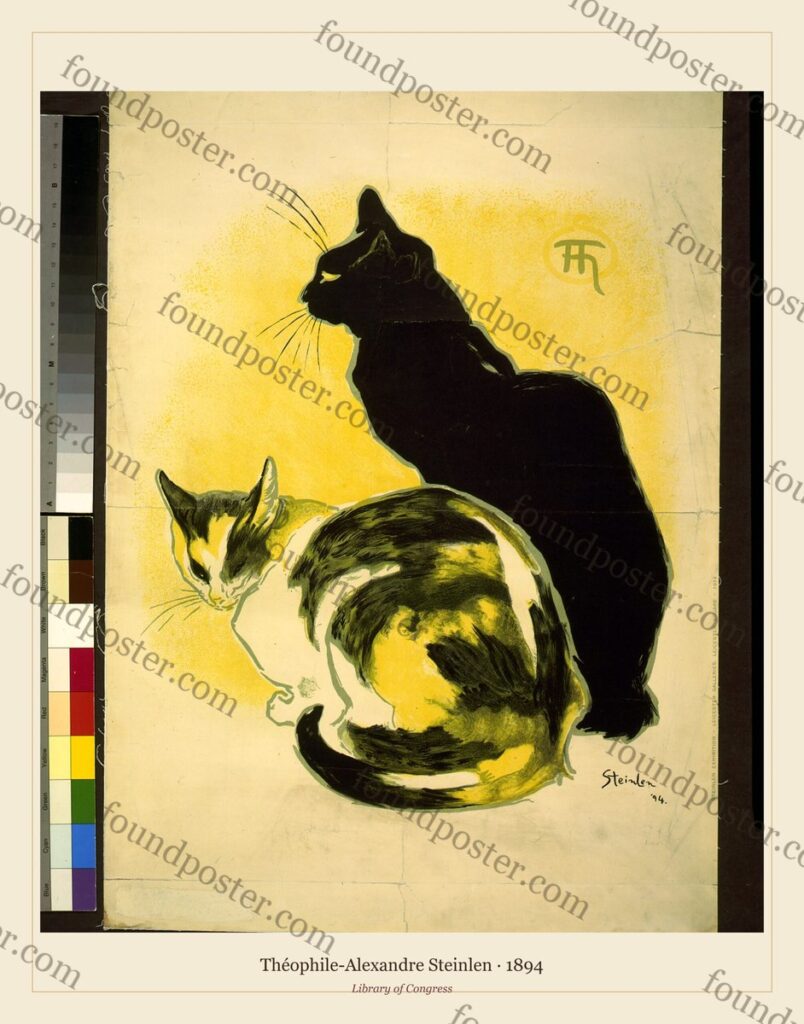
Deep dive: Two Cats (1894)
Théophile-Alexandre Steinlen’s Two Cats (1894) comes from the Montmartre artist who, more than any other, made the cat a fixture of Belle Époque art. A committed observer of workin
Read →
Choosing posters for a cocktail bar
The right posters for a cocktail bar are the ones that invented its atmosphere: the Belle Époque cabaret and apéritif posters of 1890s Paris. Toulouse-Lautrec, Jules Chéret and Leo
Read →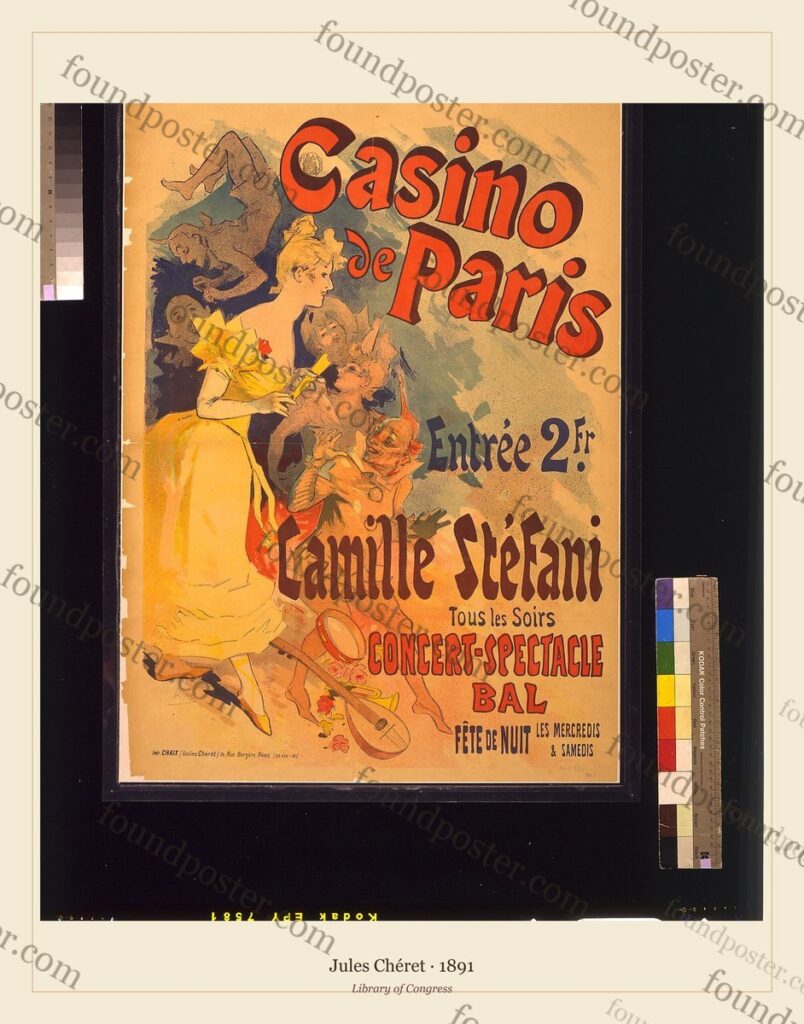
Deep dive: Casino de Paris (1891)
Jules Chéret’s 1891 poster for the Casino de Paris comes from the man who invented the modern colour poster. Two decades before Toulouse-Lautrec, Chéret had turned the Paris street
Read →
Framing posters without glare
Glare is what makes a framed print look cheap in a bright room, and it has two cures: anti-reflective (‘museum’) glass, and placement that keeps the frame from facing a window or d
Read →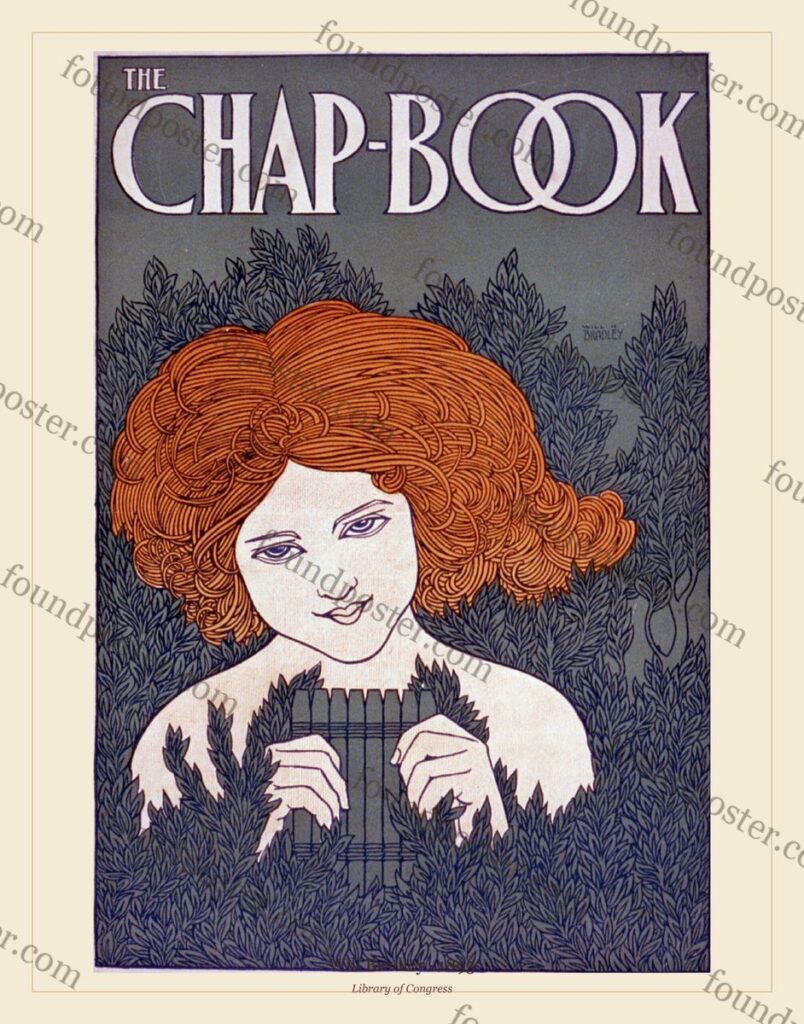
Deep dive: The Chap-book / Will H. Bradley (1895)
Will Bradley’s posters for The Chap-Book in 1894–95 are American Art Nouveau at its boldest — sinuous black-and-white ornament advertising a small Chicago literary magazine. Self-t
Read →
What size should you print a poster?
For a public room, 16×20 inches is the safe baseline and 24×36 the feature-wall size. But the right answer comes from three things: the resolution of your file, the wall and viewin
Read →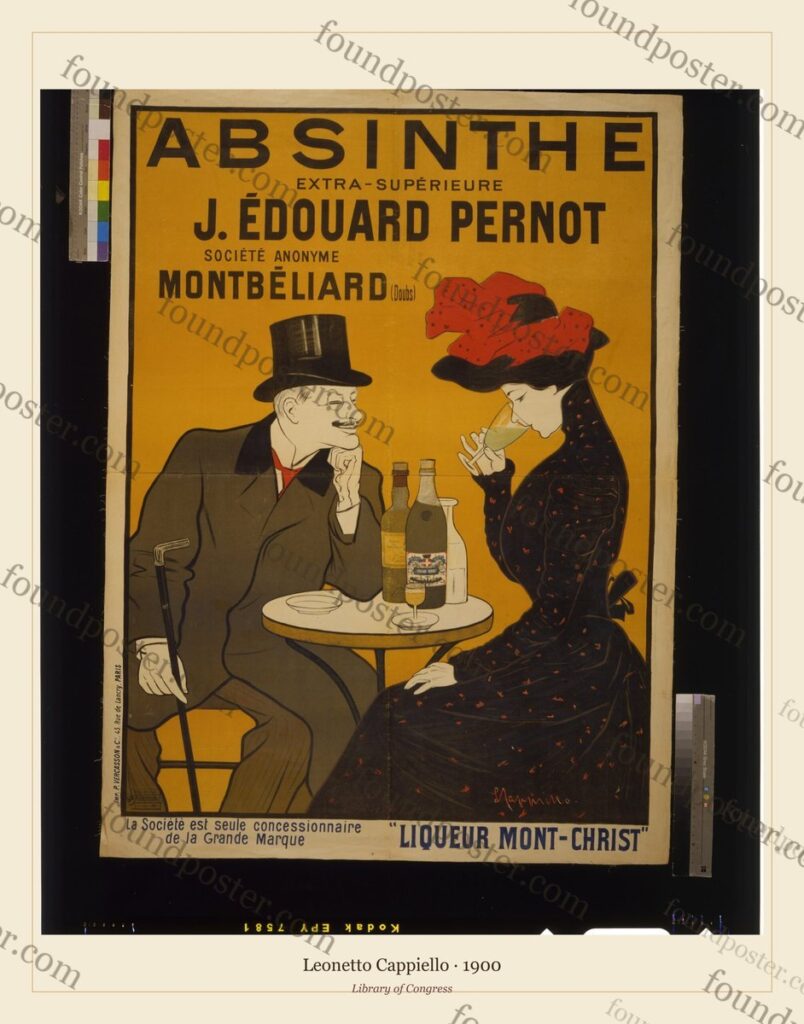
Deep dive: Absinthe J. Édouard Pernot (1900)
Leonetto Cappiello’s 1900 poster for Absinthe J. Édouard Pernot is one of the founding images of modern advertising. Where the reigning master, Jules Chéret, filled his posters wit
Read →
The best paper for art-print posters
The best paper for a vintage poster is an uncoated, acid-free matte fine-art stock of roughly 200–250 gsm, ideally with a slight tooth. It reproduces the flat, absorbent surface of
Read →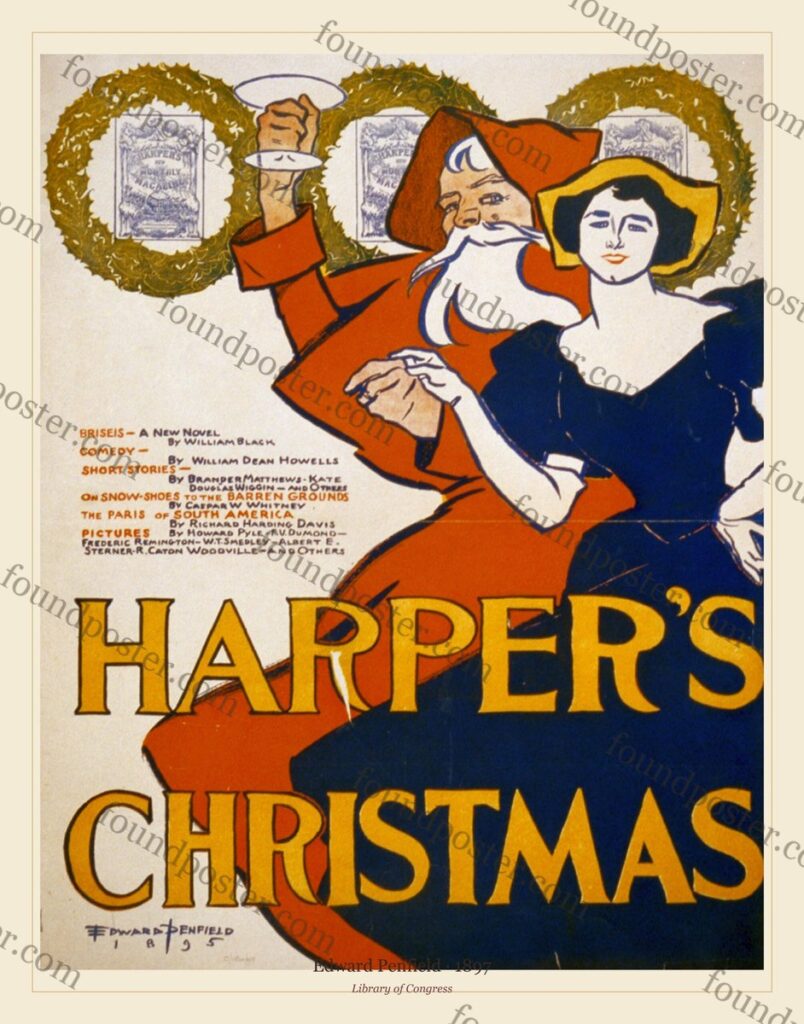
Deep dive: Harper’s Magazine: Christmas (1897)
Edward Penfield’s cover poster for the Christmas 1897 Harper’s Magazine is a cornerstone of the American poster movement. As art director of Harper & Brothers through the 1890s
Read →
How to print and frame a vintage poster
A vintage poster reproduces beautifully at home if you respect how it was originally made. These were large lithographs printed on uncoated paper, so they want a high-resolution fi
Read →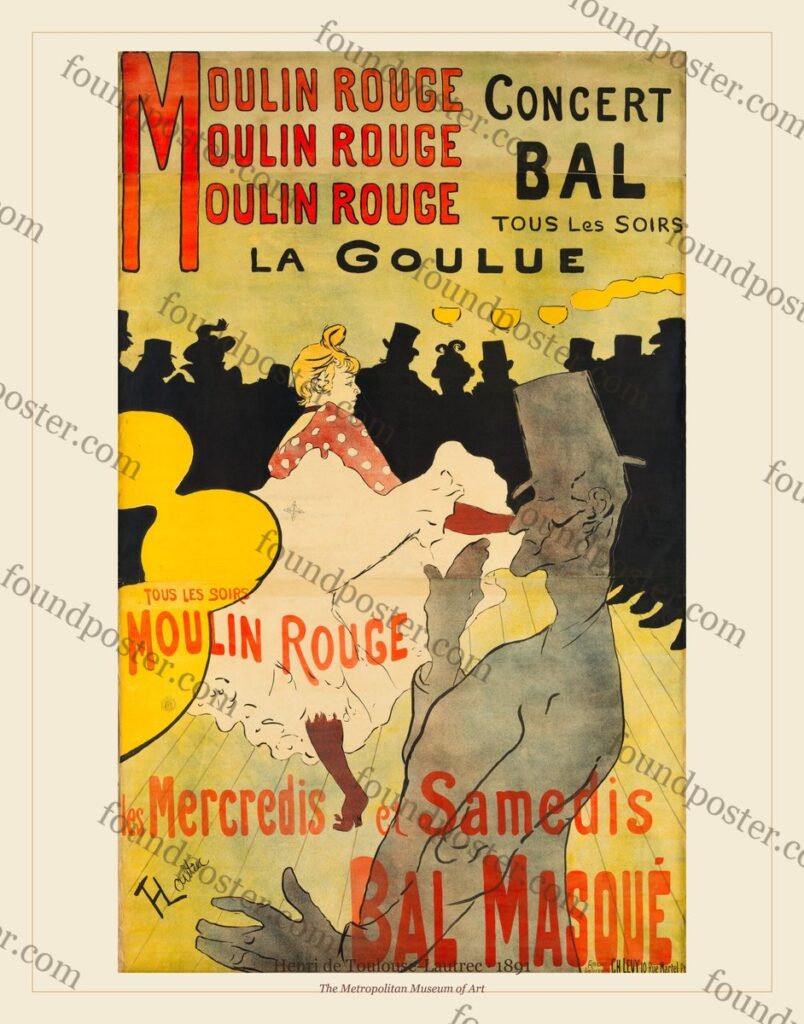
Deep dive: Moulin Rouge: La Goulue (1891)
In the autumn of 1891 the Moulin Rouge commissioned a little-known 26-year-old aristocrat, Henri de Toulouse-Lautrec, to design a poster for its star dancer, La Goulue. His first l
Read →